
Food is more than just sustenance—it’s a reflection of care, culture, and creativity. Yet, no matter how delicious a dish is, poor food safety can turn a memorable meal into a health hazard. Each year, millions suffer from foodborne illnesses caused by improper handling, storage, or cooking. Surprisingly, many of these incidents are preventable with simple hygiene practices that anyone can implement. Whether you are a home cook preparing family dinners or a professional chef managing a busy kitchen, understanding food safety is not optional—it is essential. This guide will provide practical, actionable advice to ensure that the meals you prepare are both safe and enjoyable.
Personal Hygiene: The First Step Toward Food Safety
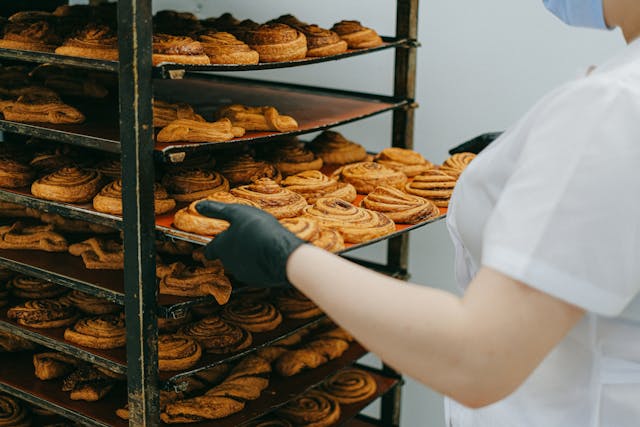
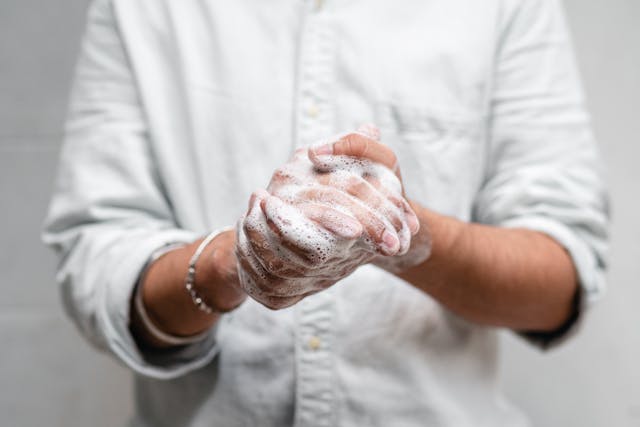
The foundation of food safety starts with personal hygiene. Clean hands, fresh clothing, and careful habits are often overlooked but are critical for preventing contamination. Washing hands properly is not merely a quick rinse under the tap. It involves scrubbing all parts of the hands—including between fingers and under nails—with soap and warm water for at least 20 seconds. In professional kitchens, this practice should be repeated before and after handling raw foods, after touching garbage, or after sneezing or coughing. For home cooks, the principle is the same: treat every cooking session as if your hands are a potential contamination source.
Clothing also plays a significant role in hygiene. Dirty or previously worn clothes can carry bacteria and viruses that may contaminate food. Wearing clean aprons or chef coats, and using hairnets or hats, helps minimize these risks. Even small habits like keeping nails trimmed and avoiding touching your face or hair while cooking can prevent a host of foodborne illnesses. Furthermore, anyone experiencing a cold, flu, or gastrointestinal illness should avoid preparing food, as pathogens can easily transfer from hands to ingredients. Personal hygiene, while simple in concept, sets the tone for all other safety measures in the kitchen.
Maintaining Kitchen Cleanliness and Organization
A clean, organized kitchen is essential for both home and professional settings. Bacteria and pathogens thrive in cluttered, unclean spaces, making regular cleaning and organization critical. Countertops, cutting boards, and utensils must be sanitized frequently, particularly after contact with raw meats or seafood. The difference between cleaning and sanitizing is significant—cleaning removes visible dirt, while sanitizing kills harmful microbes. Both processes should be part of a kitchen routine.
Organization also plays a pivotal role. Storing raw ingredients separately from cooked dishes prevents cross-contamination. For instance, cutting boards for raw meat should never be used for vegetables without proper cleaning. Keeping kitchen tools and ingredients in designated areas not only improves efficiency but also reduces the likelihood of accidental contamination. In professional kitchens, color-coded cutting boards and clearly labeled containers are standard practices, which home cooks can also adopt for safety and efficiency. A tidy kitchen is not merely aesthetically pleasing—it is a crucial defense against illness.

Safe Food Storage Practices
Proper storage of ingredients is a cornerstone of food safety. Many pathogens can grow rapidly if food is left at improper temperatures or stored incorrectly. Refrigeration is a primary tool for home and professional cooks alike. Perishable items should be stored below 40°F (4°C), while freezers should maintain temperatures at 0°F (-18°C) or lower. It is equally important to store raw meats below ready-to-eat foods to prevent drips from contaminating other ingredients.
Labeling and dating food containers is a simple but effective method for managing freshness. Following the “first in, first out” principle ensures older ingredients are used before newer ones, minimizing waste and reducing the risk of spoilage. In addition, airtight containers prevent contamination from external sources and help maintain moisture and flavor. Pantry organization is just as important: keeping dry goods off the floor, away from direct sunlight, and in sealed containers preserves quality and prevents infestations. Safe food storage is not just a recommendation—it is a requirement for preventing illness.

Cooking Temperatures and Proper Techniques
Even when ingredients are fresh and properly stored, improper cooking can lead to dangerous foodborne illnesses. Many pathogens, including Salmonella and E. coli, are destroyed only at specific internal temperatures. Using a food thermometer ensures meats, poultry, and seafood reach the correct temperature, while eggs, sauces, and leftovers also require careful monitoring. For example, poultry should reach an internal temperature of at least 165°F (74°C), while ground meats require 160°F (71°C).
Understanding the “danger zone”—between 40°F and 140°F (4°C to 60°C)—is also crucial. Foods left in this temperature range for extended periods can allow bacteria to multiply rapidly. Reheating leftovers thoroughly is just as important as initial cooking. Professional kitchens often follow strict protocols for monitoring temperatures and cooking times, but these principles are equally applicable in home kitchens. Proper cooking techniques, combined with vigilant temperature checks, form one of the strongest barriers against foodborne illness.

Avoiding Cross-Contamination
Cross-contamination is one of the most common causes of foodborne illness, and yet it’s also one of the easiest to prevent. It happens when harmful bacteria are transferred from one surface or food item to another. This can occur through direct contact (like raw chicken touching salad greens) or indirect contact (like using the same knife for raw fish and cooked rice without washing it in between).
- Separate Cutting Boards: The simplest method to reduce risk is to use different cutting boards for raw meats, vegetables, and cooked foods. Many professionals rely on color-coded boards—red for raw meat, green for vegetables, blue for fish, etc. Home cooks can adopt this too.
- Dedicated Utensils: Don’t stir cooked pasta with the same spoon you used to stir raw sauce ingredients unless it’s been washed.
- Storage Separation: In fridges, raw meats should always go on the lowest shelf, while ready-to-eat foods and cooked meals should be stored higher up.
- Don’t Reuse Marinades: A marinade that touched raw chicken is contaminated. If you want to use it as a sauce, you must boil it first to kill bacteria.
- Cleaning Between Tasks: Even wiping a counter with the same cloth used for raw spills can spread contamination. Use disposable towels or sanitize cloths frequently.
Cross-contamination is sneaky because the food might look, smell, and taste perfectly fine but still harbor dangerous microbes. In a busy professional kitchen, preventing it requires strict systems. At home, it requires discipline and awareness.

Professional Kitchen Hygiene Standards
Professional kitchens have higher stakes: a single lapse can make dozens of guests sick and damage a restaurant’s reputation. That’s why hygiene in these spaces isn’t optional—it’s enforced by law.
- HACCP Principles: HACCP (Hazard Analysis and Critical Control Points) is the gold standard. It involves identifying where risks might occur (like storage or cooking), monitoring them, and keeping records to prove compliance.
- Staff Training: Every staff member, from head chefs to dishwashers, needs training in hygiene. This includes how to wash hands properly, handle food safely, and clean workstations.
- Cleaning Schedules: Professional kitchens run on checklists. Floors are sanitized multiple times a day, ovens are deep-cleaned weekly, and refrigerators are checked daily for temperature consistency.
- Equipment Maintenance: Dirty or broken equipment is a breeding ground for bacteria. Regular maintenance of ovens, grills, knives, and refrigerators ensures both safety and efficiency.
- Pest Control: Rodents or insects in a professional kitchen are catastrophic. Regular pest inspections are mandatory in many regions.
The pressure of a busy dinner rush makes cutting corners tempting, but professional standards exist to protect both the business and the customers. A well-run kitchen is as much about hygiene as it is about flavor.

Home Kitchen Hygiene Tips
You don’t need restaurant-level systems at home, but the principles are the same. Safe habits can prevent your family from unnecessary illness.
- Clean As You Go: Instead of leaving a pile of dirty dishes or spills, clean during cooking. It keeps bacteria under control and makes cleanup easier.
- Mind the Sponge: Kitchen sponges are some of the dirtiest items in a household. Replace them often, sanitize them with boiling water, or switch to dishcloths that can be washed at high heat.
- Proper Leftover Storage: Leftovers should be cooled quickly (within 2 hours) and stored in airtight containers. Avoid keeping them for more than 3–4 days.
- Check Expiry Dates: Many people overlook condiments or sauces in the fridge that are months past expiration. Even “long shelf life” items like flour or rice can harbor pests or mold if ignored.
- Fridge Hygiene: Wipe down shelves regularly, check for spills, and don’t overcrowd—air circulation is essential for maintaining safe temperatures.
- Teach the Family: Kids should be taught early not to lick spoons and then put them back in food, or to wash hands before helping in the kitchen.

Special Topics in Food Safety
Food safety isn’t just about bacteria—it also covers allergens, sustainability, and special types of food.
- Allergen Management: For people with severe allergies, even a trace of peanuts, gluten, or shellfish can be life-threatening. Professional kitchens must avoid cross-contact, while home cooks should use separate utensils and clean surfaces thoroughly.
- Outdoor Cooking & Picnics: During summer picnics or BBQs, food often sits out too long. Use coolers with ice packs, keep raw and cooked foods separate, and never leave perishable items in the sun for hours.
- Fermentation Safety: Foods like kombucha, kimchi, and sourdough rely on “good bacteria,” but improper fermentation can lead to harmful growth. Using clean jars, proper temperatures, and trusted recipes prevents accidents.
- Sustainable Cooking & Waste Reduction: Reducing food waste is good for the planet, but not at the expense of safety. Know the difference between “best before” and “use by” dates. Plan meals carefully so ingredients don’t sit forgotten.

Tools, Checklists, and Resources
Having the right tools makes food safety easier:
- Thermometers: Digital instant-read thermometers ensure meat is cooked safely.
- Color-Coded Cutting Boards: A simple but powerful way to prevent cross-contamination.
- Sanitizing Solutions: A mild bleach solution or food-safe sanitizer for surfaces.
- Airtight Containers: Glass or BPA-free plastic containers keep food fresh and safe.
- Checklists: Daily cleaning schedules, fridge/freezer temperature logs, and “before service” checklists are standard in professional kitchens but can also help at home.
Frequently Asked Questions (FAQs)
1. Should I wash raw chicken before cooking?
No. Washing chicken spreads bacteria through splashing water. Cooking it thoroughly is enough to kill pathogens.
2. Is it safe to leave food out overnight?
Absolutely not. Any perishable food left at room temperature for more than 2 hours should be discarded.
3. Can I taste food while cooking?
Yes, but always use a clean spoon each time you taste. Never double-dip.
4. Do leftovers need to be cooled before refrigeration?
Yes. Divide large portions into smaller containers so they cool faster before placing them in the fridge.
Conclusion
At the end of the day, food safety is not about rules for the sake of rules—it’s about protecting the people you serve, whether that’s your family at the dinner table or a hundred guests at a wedding banquet. A perfectly plated dish means nothing if it puts someone in the hospital. The small habits—washing your hands, checking fridge temperatures, using separate boards, cooking foods to the right temperature—are what make the difference between a safe, enjoyable meal and a dangerous one.
Professional kitchens have no choice but to follow strict systems, but home cooks shouldn’t underestimate their responsibility. A single overlooked detail—like leaving leftovers out overnight or failing to clean a cutting board—can lead to serious consequences. On the flip side, consistent good practices quickly become second nature. Once you build these habits, food safety doesn’t feel like a chore—it feels like an essential part of cooking well.
Food is meant to nourish, connect, and delight. By treating hygiene and safety with the same respect you give to flavor and presentation, you ensure that your cooking is remembered for the right reasons. Every meal you prepare is an opportunity not just to share taste, but to share care—and nothing shows more care than keeping the people you cook for safe.