
If you think plating is just about making food look “fancy,” you’re missing the bigger picture. The way you present a dish directly affects how your guests perceive, enjoy, and even remember the meal. Here’s why plating should never be an afterthought:
1. First Impressions Shape the Experience 👀🍽️
Before the first bite, the eyes are already “tasting” the food. The moment a plate is placed in front of a guest, their brain starts making judgments—about freshness, quality, and even flavor—based purely on appearance.
A beautifully plated dish with vibrant colors 🌈, clean edges ✨, and an intentional arrangement sends a powerful signal: “This meal was prepared with care, skill, and pride.” It sets a positive tone and builds anticipation before a single forkful is taken.
On the other hand, a messy plate—sauce smeared across the rim, food piled without thought, dull or clashing colors—can silently communicate that the meal was rushed or carelessly prepared. And once that first impression is set, it’s hard to reverse.
Think of plating as the handshake before the conversation 🤝—it creates trust, sparks excitement, and invites the guest to engage fully with the dish. Get it right, and you’ve already won half the battle before they even taste the food.

2. Enhances Appetite and Enjoyment 🍽️✨
We don’t just eat with our mouths—we eat with our eyes, nose, and imagination. A well-plated dish acts like a visual appetizer, sending signals to the brain that something delicious is on the way. Before a single bite, the sight of the meal can literally make your stomach wake up.
Color 🎨 plays a huge role here. Bright greens tell the diner “fresh and healthy,” deep reds whisper “rich and indulgent,” and golden browns scream “crispy, warm comfort.” Texture is just as important—think of the thrill of spotting a crispy topping next to a smooth, velvety sauce. That contrast sparks curiosity and makes you want to dig in.
Arrangement is the third key. A plate with balanced spacing and a clear focal point feels intentional and harmonious. It quietly tells your guest, “Every element here has a purpose.”
And this isn’t just poetic talk—science backs it up. Studies have shown that people rate identical food as tasting better when it’s plated attractively. The brain’s expectations literally influence how flavors are perceived. 🍓🍫🥗

3. Shows Respect and Hospitality 🤝🍷
Plating is more than a visual upgrade—it’s an unspoken language of care, effort, and respect. When you present a dish beautifully, you’re telling your guest: “I value your presence enough to give you my time and best effort.”
Hospitality is all about making people feel welcomed, comfortable, and appreciated. Food is central to that, but presentation amplifies the message. Imagine being invited to a friend’s home and receiving a plate where each element is neatly arranged, colors pop, and even the garnish feels purposeful 🌿. You instantly feel they put thought into making your experience special.
This attention to detail isn’t limited to fine dining. Across cultures, plating has long been tied to hospitality traditions:
- Japan treats plating as an art form, balancing colors and shapes to honor the seasons 🌸.
- France uses elegant plating to highlight craftsmanship and respect for ingredients.
- India presents dishes on thalis with a variety of colors, textures, and flavors, symbolizing abundance and care.
Even in casual settings, presentation communicates thoughtfulness. Whether it’s a sprig of herbs on a bowl of soup 🍵 or neatly sliced fruit at breakfast 🍉, these touches turn an ordinary meal into a gesture of connection.
Now flip the scenario: if a guest receives a plate that’s messy, overfilled, or carelessly served, it can unintentionally signal “this was rushed” or worse, “you’re not worth the extra effort.” And once that impression forms, it’s hard to reverse.

4. Helps Portion Control and Balance ⚖️🥗
Plating isn’t just about aesthetics—it’s also a tool for function and balance. The way food is arranged on the plate directly influences how much your guest eats, how they experience flavors, and even how they feel afterward.
A well-plated dish guides the diner’s journey through the meal. By portioning each element intentionally—protein, starch, vegetables—you ensure the guest gets a balanced bite every time. This prevents one flavor from overpowering the others and keeps the meal satisfying without being overwhelming. 🍗🥔🥦
In fine dining, chefs often use the rule of thirds or the clock method (placing proteins at 6 o’clock, vegetables at 2 o’clock, and starch at 10 o’clock) to create visual symmetry and proper portion sizes. This isn’t just for looks—it helps control the quantity of richer, calorie-dense components while keeping lighter, nutrient-rich elements prominent on the plate.
Portion control through plating also reduces waste. A crowded, overloaded plate can make the guest feel obligated to overeat, while a plate that’s too sparse can leave them unsatisfied. The right balance makes the meal feel complete without excess.
Even in home cooking, thoughtful plating can improve dietary habits. For example:
- Using smaller plates can naturally reduce over-serving without feeling like a diet. 🍽️
- Arranging vegetables front and center can encourage healthier eating. 🥗
- Leaving space on the plate can make the meal look more refined and intentional.
5. Creates Memorable Moments (and Photos) 📸✨
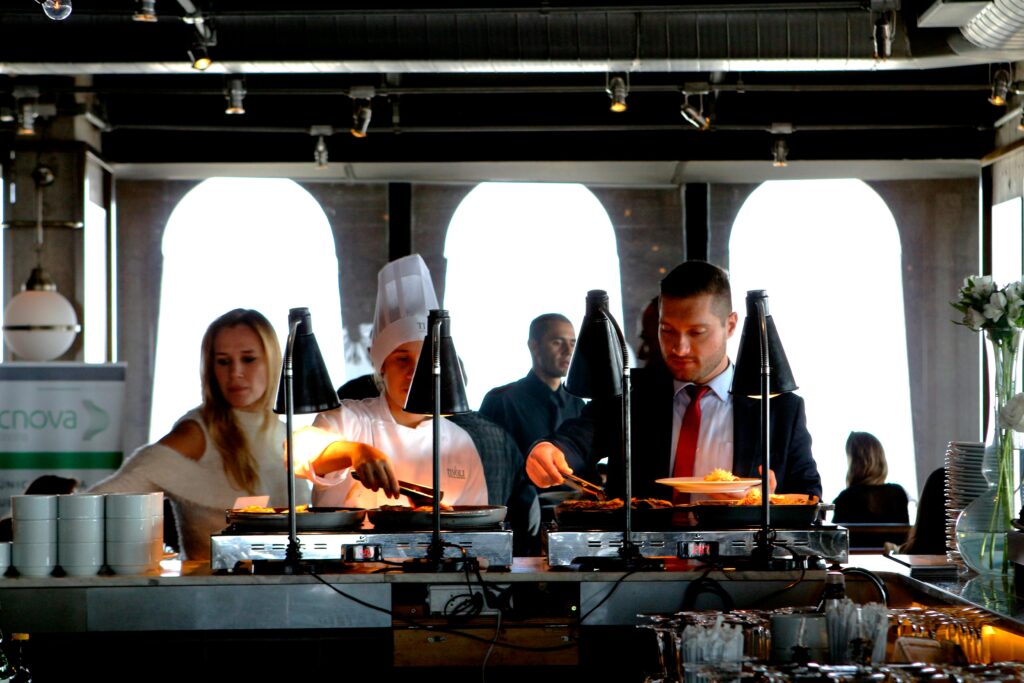
In today’s world, dinner doesn’t just happen at the table—it often ends up on Instagram, Facebook, or someone’s group chat before the first bite is taken. A beautifully plated dish has the power to turn a simple meal into a share-worthy moment that lives on far beyond the dining room.
When guests see a plate that looks like it belongs in a magazine—vibrant colors 🌈, clean lines, artistic sauce swirls, or carefully placed garnishes—they don’t just eat it, they capture it. And every photo shared becomes a memory, a conversation starter, and even free marketing if you’re a restaurant or catering business.
But plating isn’t just about social media appeal. It’s about creating an emotional moment. Think of a delicate dessert topped with a single edible flower 🌸, or a rustic dish served in a handcrafted bowl 🍲—these details stick in people’s minds. They’re part of the story they’ll tell when they remember the meal.
Great plating can also trigger nostalgia or create a “wow” moment. Maybe it’s the way the colors remind someone of a family festival, or how the arrangement feels like a piece of art 🎨. These small visual cues can deepen the emotional connection to the food and to the person who served it.

6. Highlights the Ingredients’ Quality 🌿🍋
A well-plated dish does more than look pretty—it acts like a spotlight, drawing attention to the quality, freshness, and character of each ingredient. When plating is done with intention, every element gets its moment to shine.
Picture this: a juicy heirloom tomato 🍅 sliced to reveal its marbled interior, positioned where it catches the light. A drizzle of golden, cold-pressed olive oil reflecting a soft sheen. A seared piece of salmon 🐟 with perfectly crisped edges facing the diner, showing off the caramelization. These choices aren’t accidental—they’re deliberate ways to say, “Look at this ingredient—it’s the star.”
Plating with ingredient quality in mind also tells a silent story about sourcing and care. Fresh herbs 🌿 placed just before serving signal vibrancy. Microgreens sprinkled on top hint at attention to detail. Even the absence of unnecessary sauce covering the main ingredient can communicate confidence: you don’t need to hide what’s already beautiful.
Around the world, top-tier chefs and traditional cooks alike use plating as a form of respect toward ingredients. In Japanese kaiseki, the season’s best produce is presented in a way that reflects nature’s balance. In Mediterranean cuisine, vegetables and proteins are often served with minimal interference so their natural colors and textures stand out.
For the guest, this approach makes them more mindful. They notice the deep green of the spinach, the shine of the glaze, the grain of the bread. Suddenly, eating becomes more than consuming—it becomes appreciating.
7. Enhances the Flow of the Meal 🍽️➡️
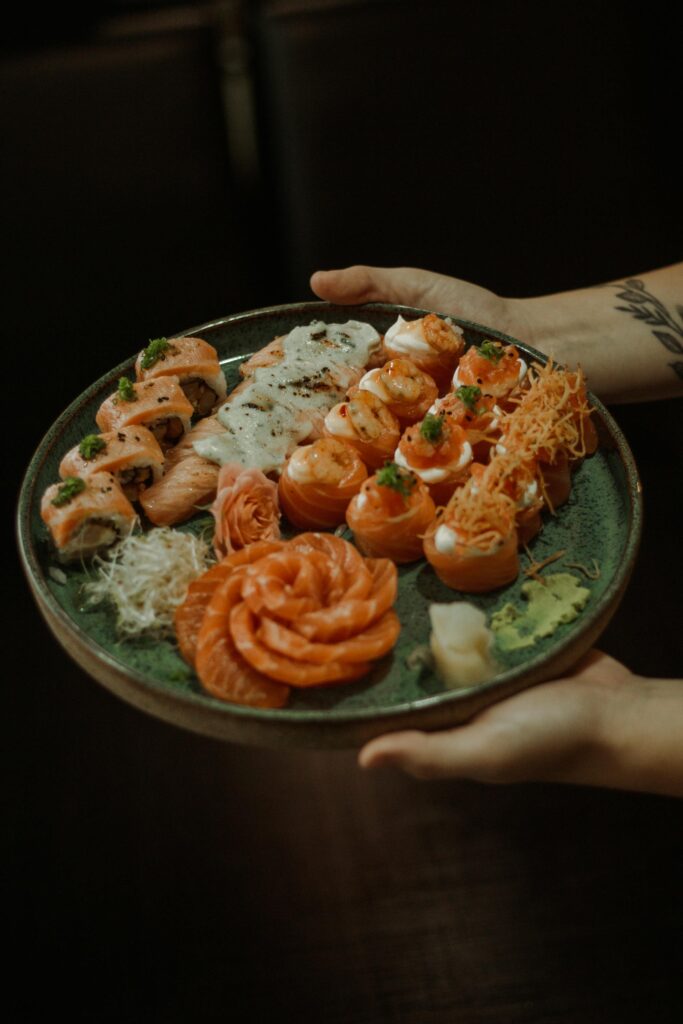
Plating isn’t just about what is on the plate—it’s about guiding how your guest experiences the meal from the very first bite to the last. A well-thought-out arrangement can subtly control the order of flavors, the combination of textures, and even the pace of eating.
For example, placing complementary elements close together—like a creamy mash beside a seared steak 🥩—encourages the diner to enjoy them together in a single bite. On the other hand, keeping bold flavors or acidic sauces slightly apart gives the guest the choice to add them as they wish, creating an interactive dining experience.
Many chefs use plating techniques to create a narrative flow:
- The focal point (usually the protein or main component) sits front and center, instantly drawing the eye.
- Supporting elements like vegetables, grains, or sides are positioned to lead the gaze around the plate, much like reading a story.
- Textures and colors are arranged in a way that moves the diner’s attention naturally, keeping them engaged throughout the meal.
In multi-course dining, consistent plating style also creates continuity. A recurring color palette, garnish style, or plating symmetry ties all the courses together into a cohesive experience, rather than feeling like a random assortment of dishes.
Even in casual settings, plating can shape flow. A small dipping sauce placed in the center invites sharing, a layered dessert 🍰 reveals new textures with each spoonful, and a thoughtfully garnished salad 🥗 encourages diners to explore every ingredient.
When done right, plating becomes more than arrangement—it becomes choreography. Every bite feels intentional, every element has a role, and the guest leaves with the sense that the meal wasn’t just eaten—it was experienced.
8. Supports the Theme and Story of the Meal 🎭🍷
Every great meal tells a story—whether it’s a fine-dining tasting menu or a casual family dinner. Plating is the bridge between the chef’s vision and the guest’s perception, helping that story come alive on the plate.
For instance, if the theme is rustic countryside, plating might feature wooden boards, earthy tones, and a looser, more natural arrangement 🍞🌿. If the theme is modern elegance, the plating could be minimalistic with clean lines, geometric shapes, and precise placement. The same dish can feel entirely different depending on the presentation style.
Color palette, garnish choice, and even plate shape play a role. Serving a seafood dish on a blue or turquoise plate can evoke the ocean 🌊🐚, while a dessert plated with gold accents can suggest luxury and celebration.
By aligning plating with the story, you make the meal more immersive. Guests aren’t just eating—they’re stepping into an experience. They can feel the theme without you having to explain it, because the visual cues are woven into every element of the dish.

Conclusion
Plating is more than a finishing touch—it’s an essential ingredient in the dining experience. It sets the tone before the first bite, enhances flavor perception, shows respect for the guest, and turns a simple meal into a memorable event. From portion control to storytelling, every choice in presentation carries meaning.
Whether you’re plating a Michelin-worthy entrée 🍷✨ or a home-cooked comfort dish 🏡🍽️, the way you present it speaks volumes about your care, skill, and intention. Beautiful plating not only feeds the appetite but also the emotions—leaving your guests with a sense of delight, appreciation, and connection.
Next time you serve a meal, take those extra few moments to plate with thought and purpose. Your guests won’t just notice—they’ll remember. And that’s what turns a dinner into an experience worth talking about. 🤝❤️